

JUNE 2026
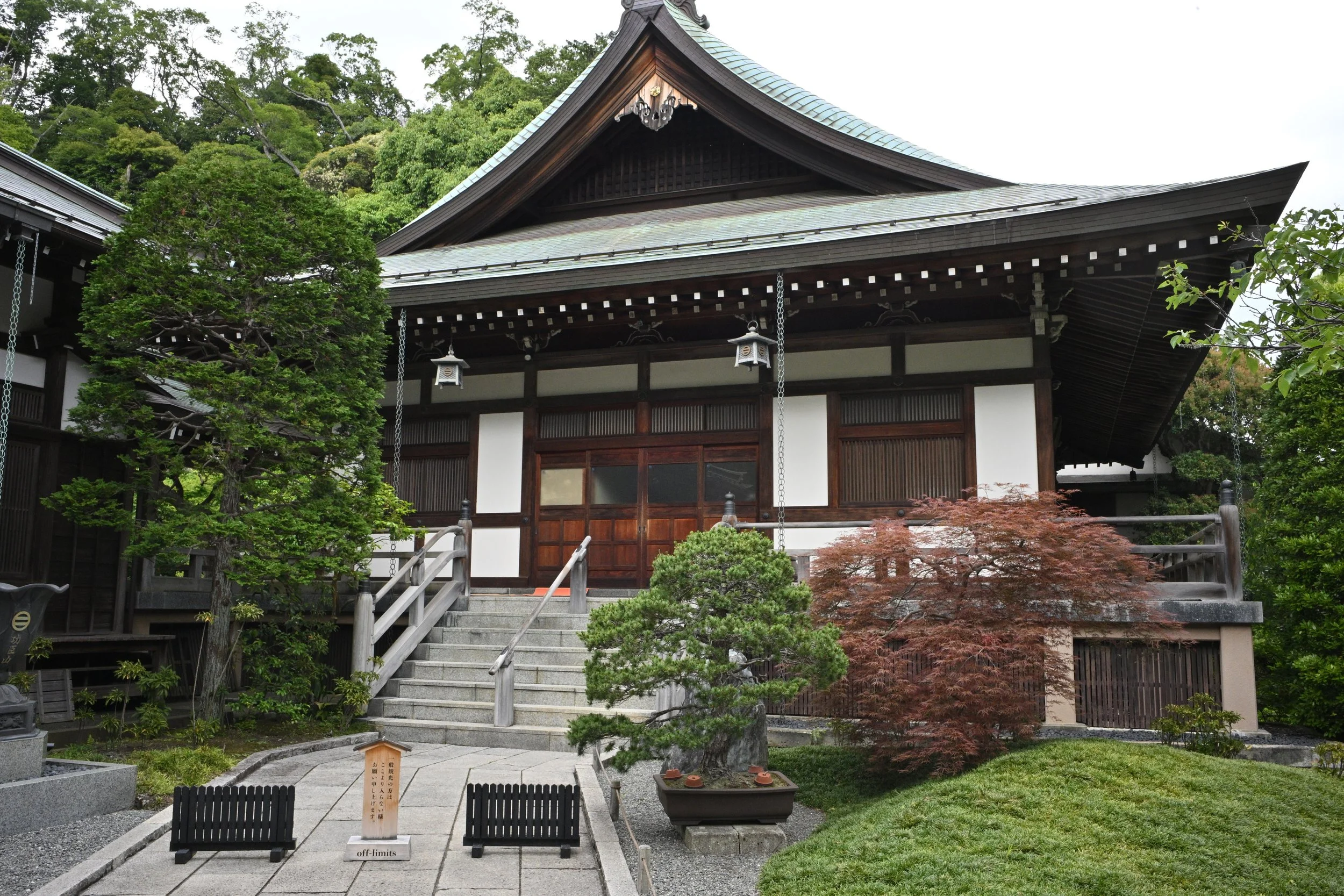
Hokoku-ji Temple: The Bamboo Temple. The 1923 Great Kantō earthquake destroyed most of the temple structures including the original straw roof on the main hall. A similar roof is maintained on the bell tower today.
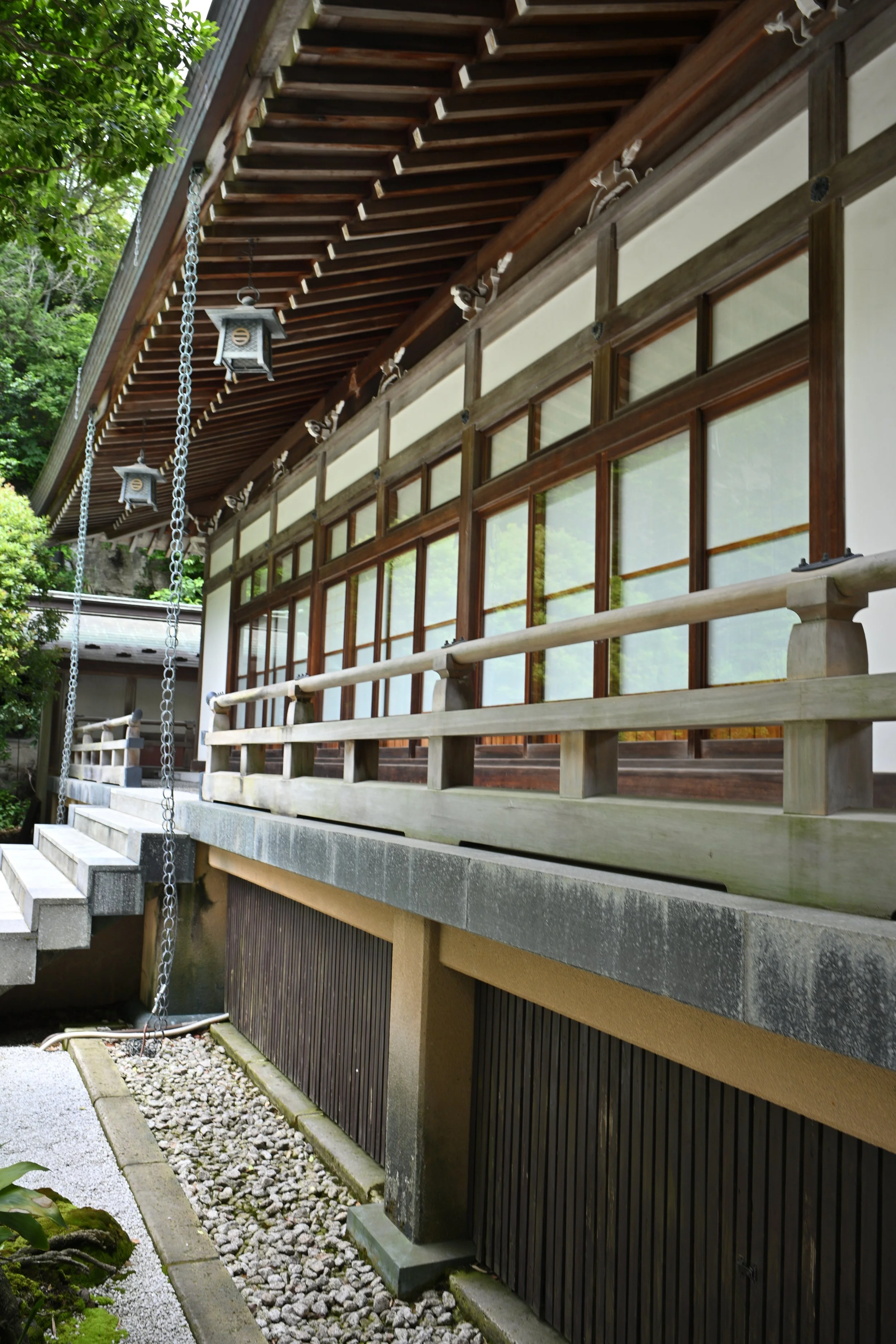
The temple is No. 10 on the Kamakura 33 Kannon pilgrimage.
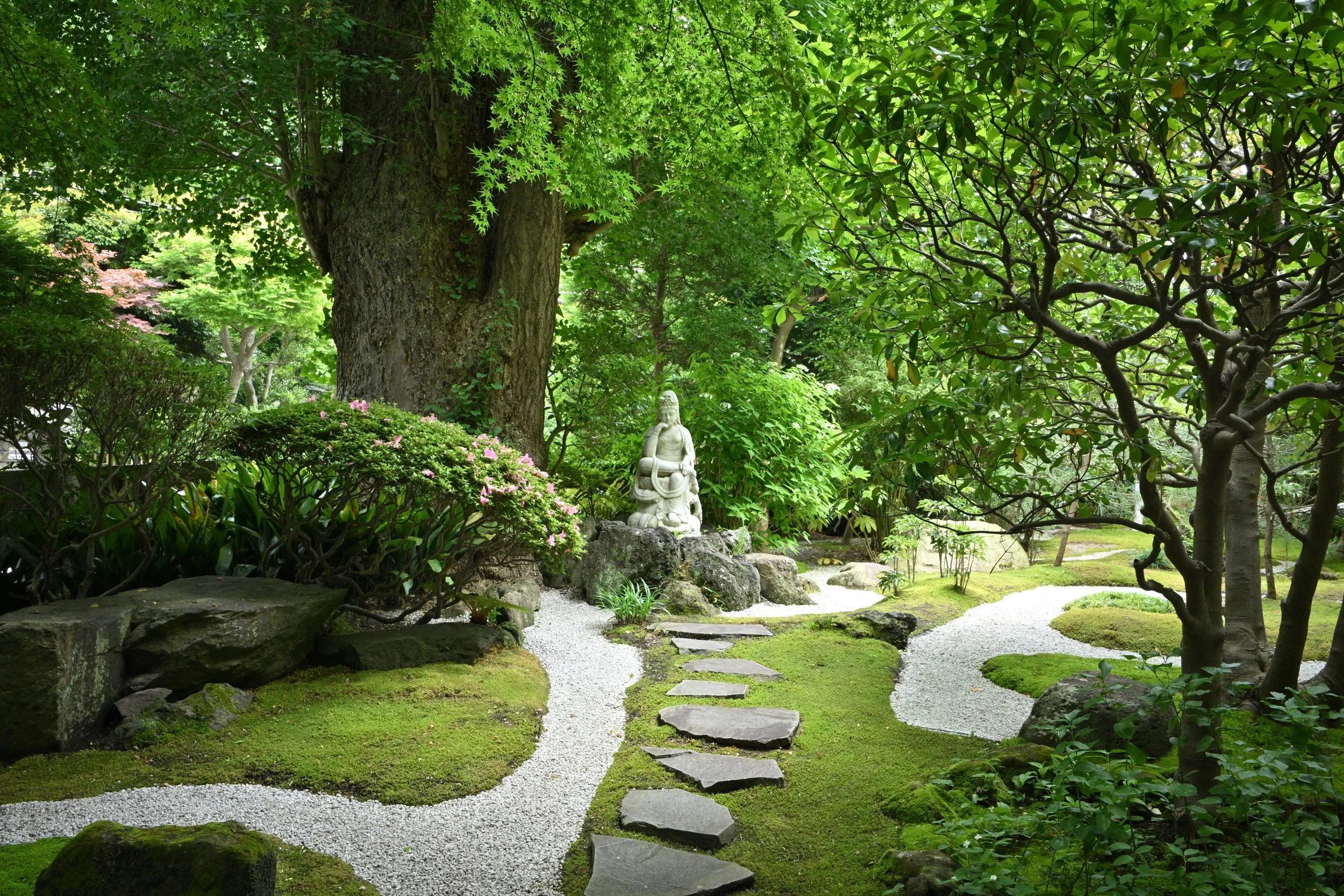
The family temple of both the Ashikaga and Uesugi clans, Hōkoku-ji was established by founding priest Tengan Eko in 1334
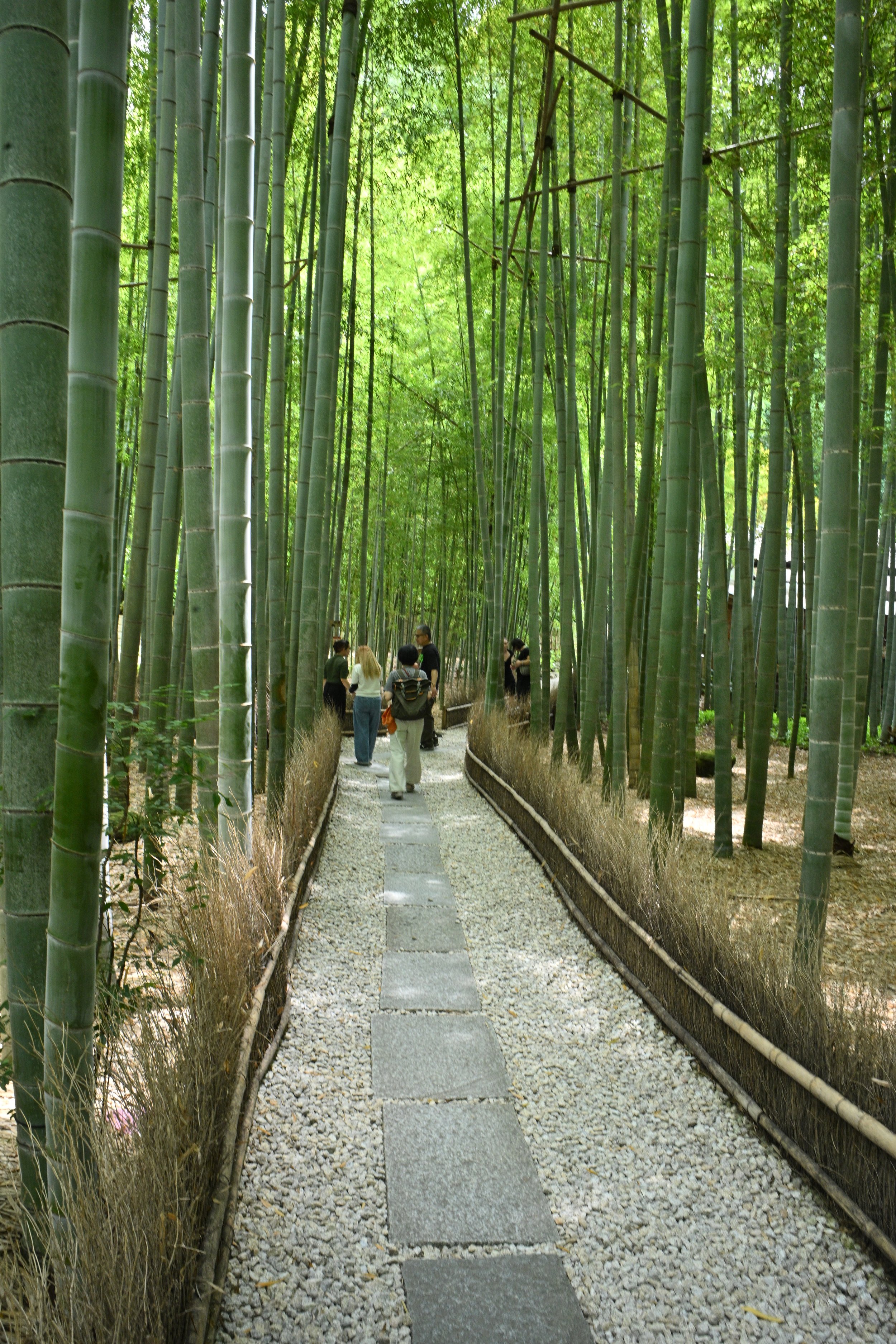
The Experience: The grove features narrow winding stone paths, leading to a traditional tea house (Kyukoan) where visitors can sip matcha green tea surrounded by the stalks
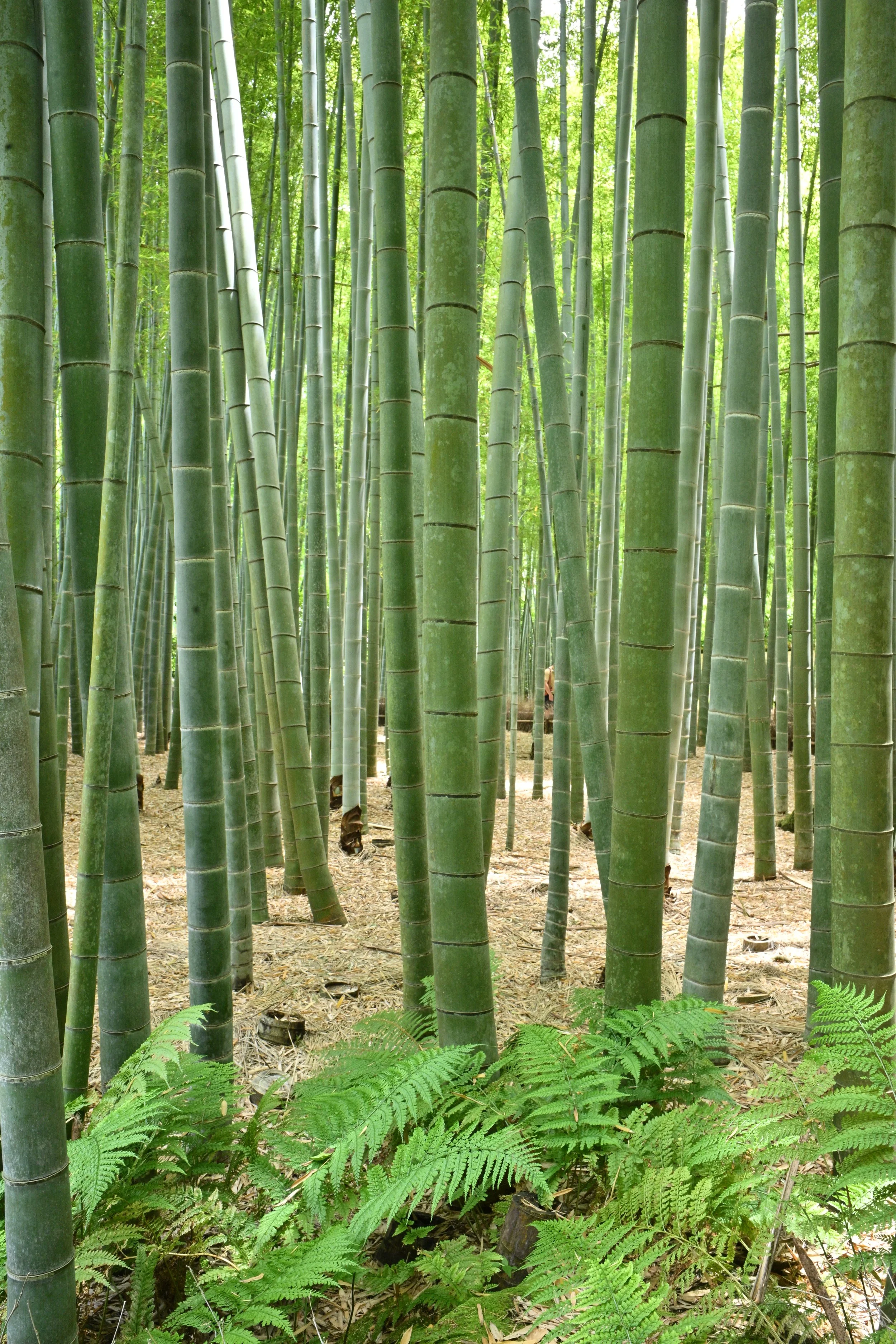
The Plant: Moso is a giant timber bamboo native to China. It is easily recognized by its exceptionally thick, dark green culms (stalks) that can grow up to 28 meters (around 92 feet) tall.
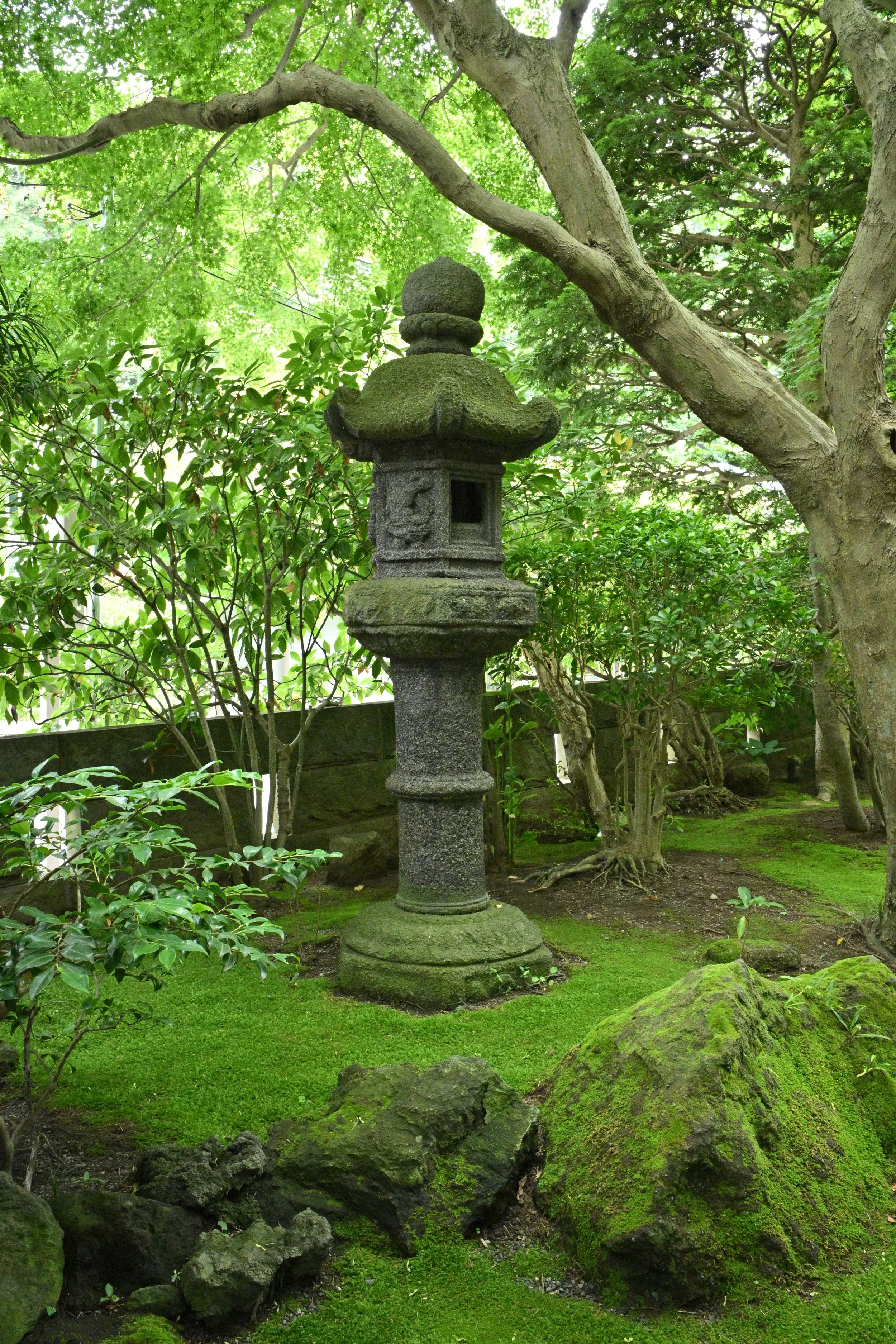
Design Styles: The specific large, heavily mossed lanterns with tiered, pagoda-style roofs found at Hokokuji often fall under the Tachigata (pedestal) or Yukimi-gata (snow-viewing) styles of stone lanterns
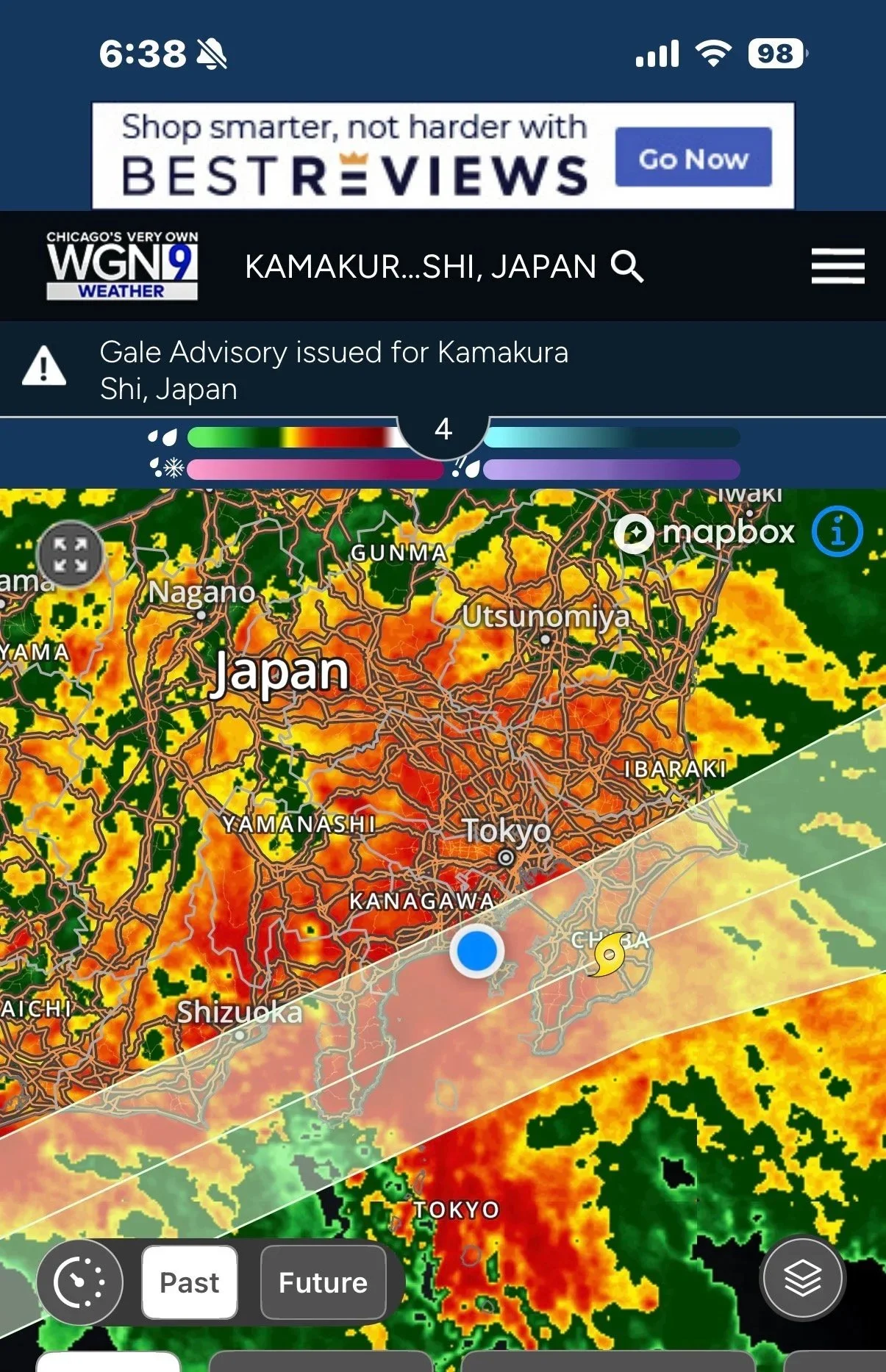
06.03.26 - Typhoon Jangmi. First Typhoon of the Season. Lot's of rain. Quick pass. Wind not bad.
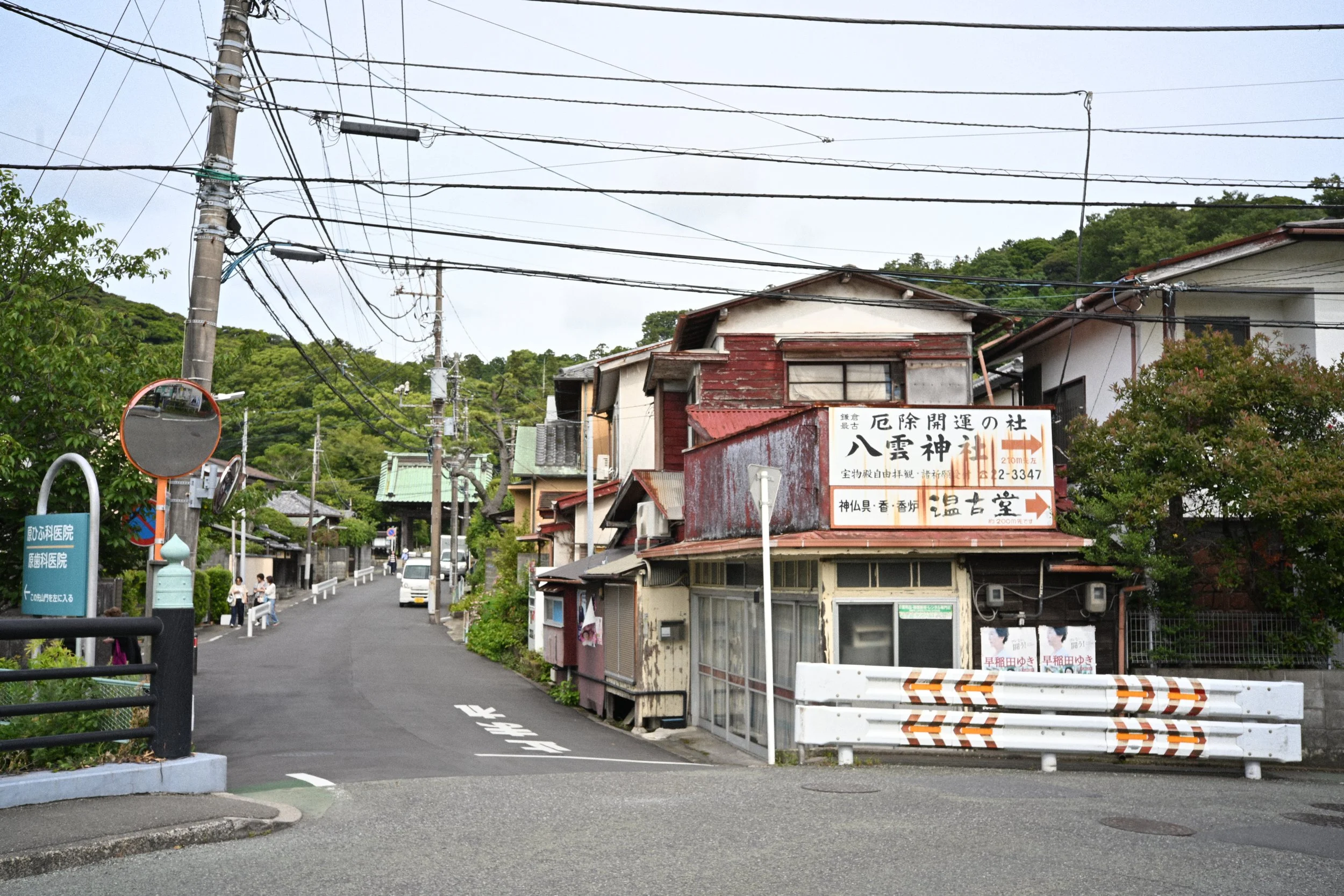
Honkaku-ji Temple area of downtown Kamakura.
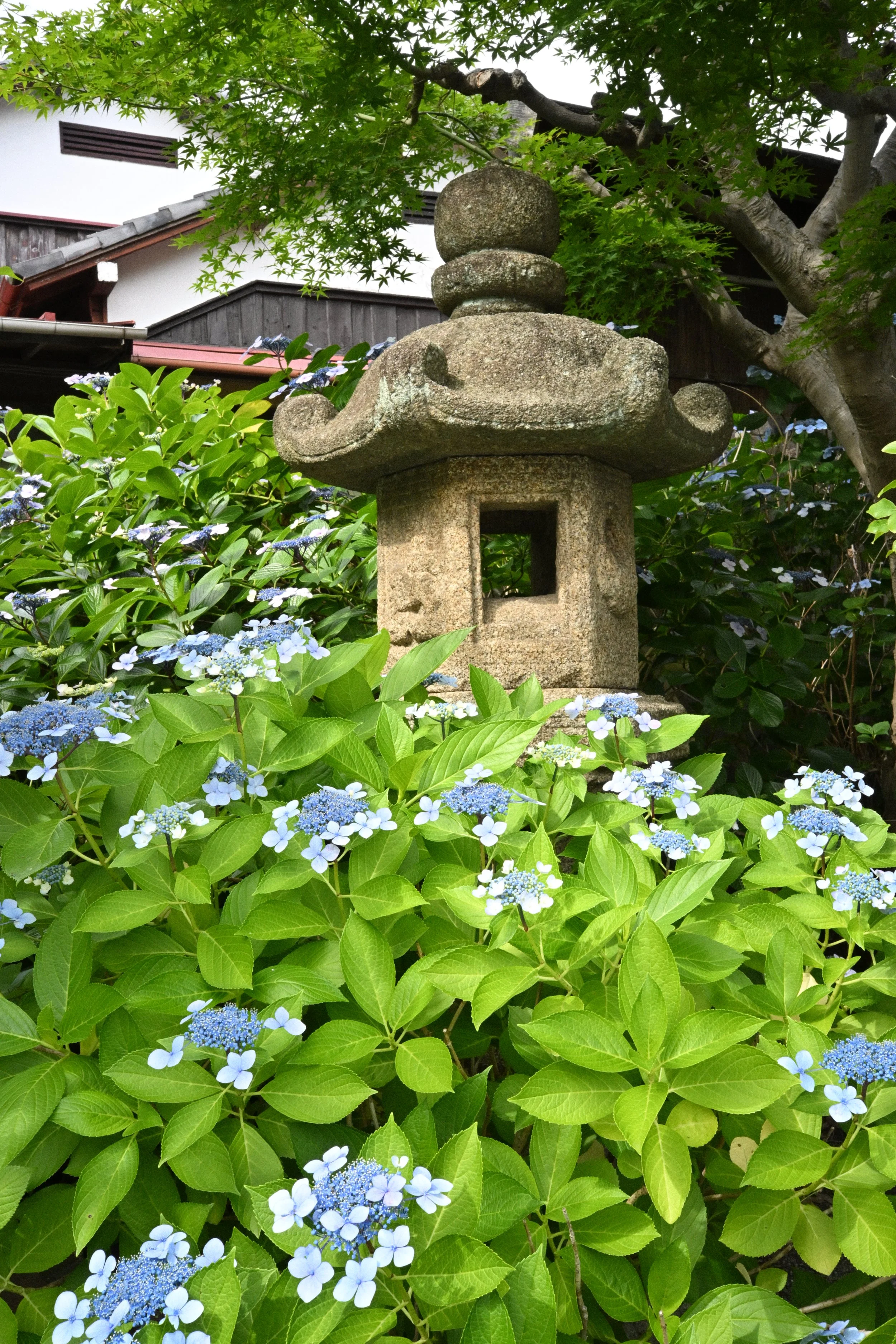
Honkaku-ji Temple Kamakura
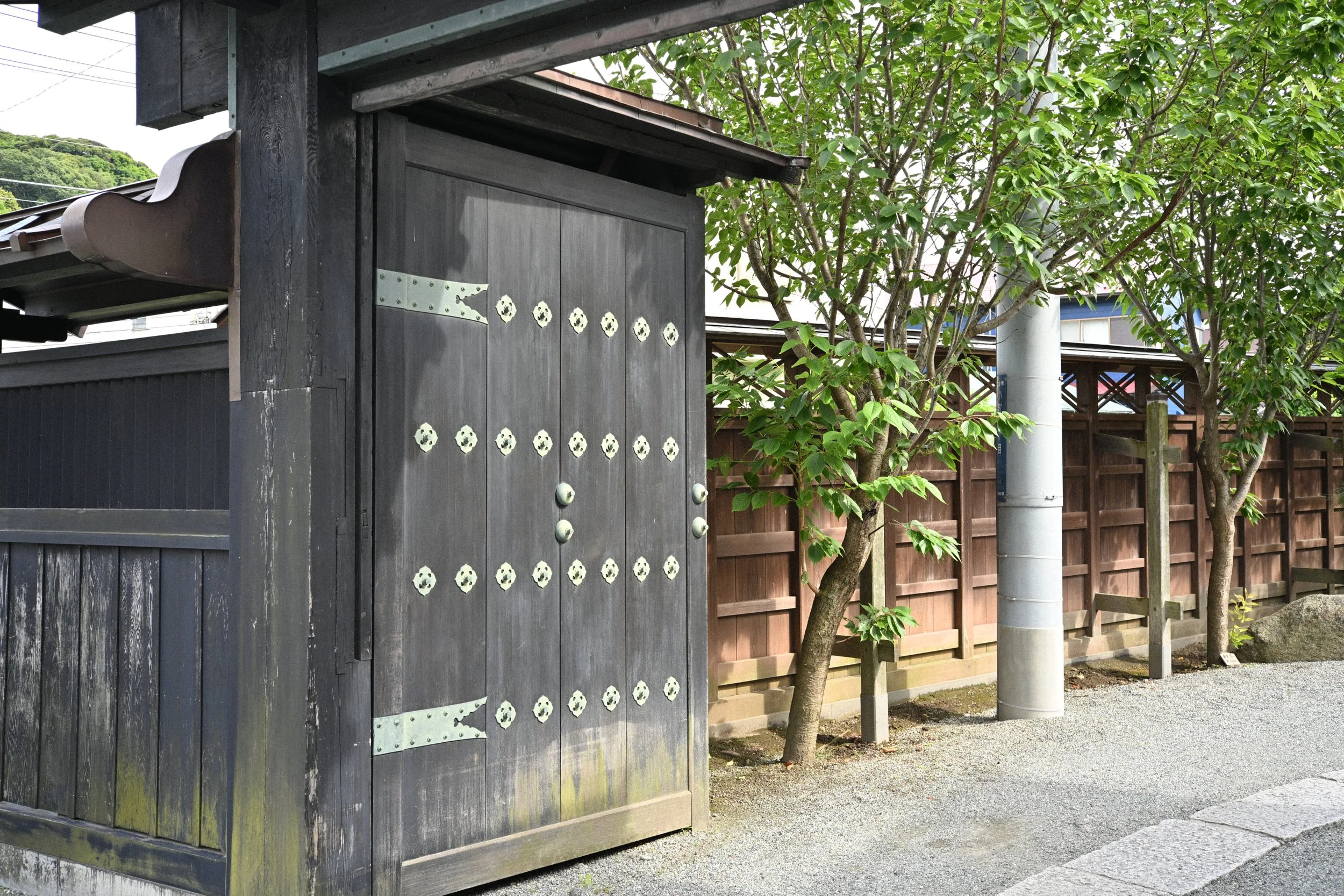
Although Honkaku-ji Temple was founded in the 8th year of Eikyo (1436), the history of Eido is even older, and it is said that it is in the early Kamakura period. And this Ebi-do has a deep connection with the Nichiren saint, and it is said that the Nichiren saint who returned to Kamakura from Sado, the place of exile, stayed for more than 40 days. In the meantime, the Nichiren Shonin was given the Kamakura bakufu for the third time, and because he was not accepted, he decided to live in seclusion in Minobu, which greatly changed the way he preached later.
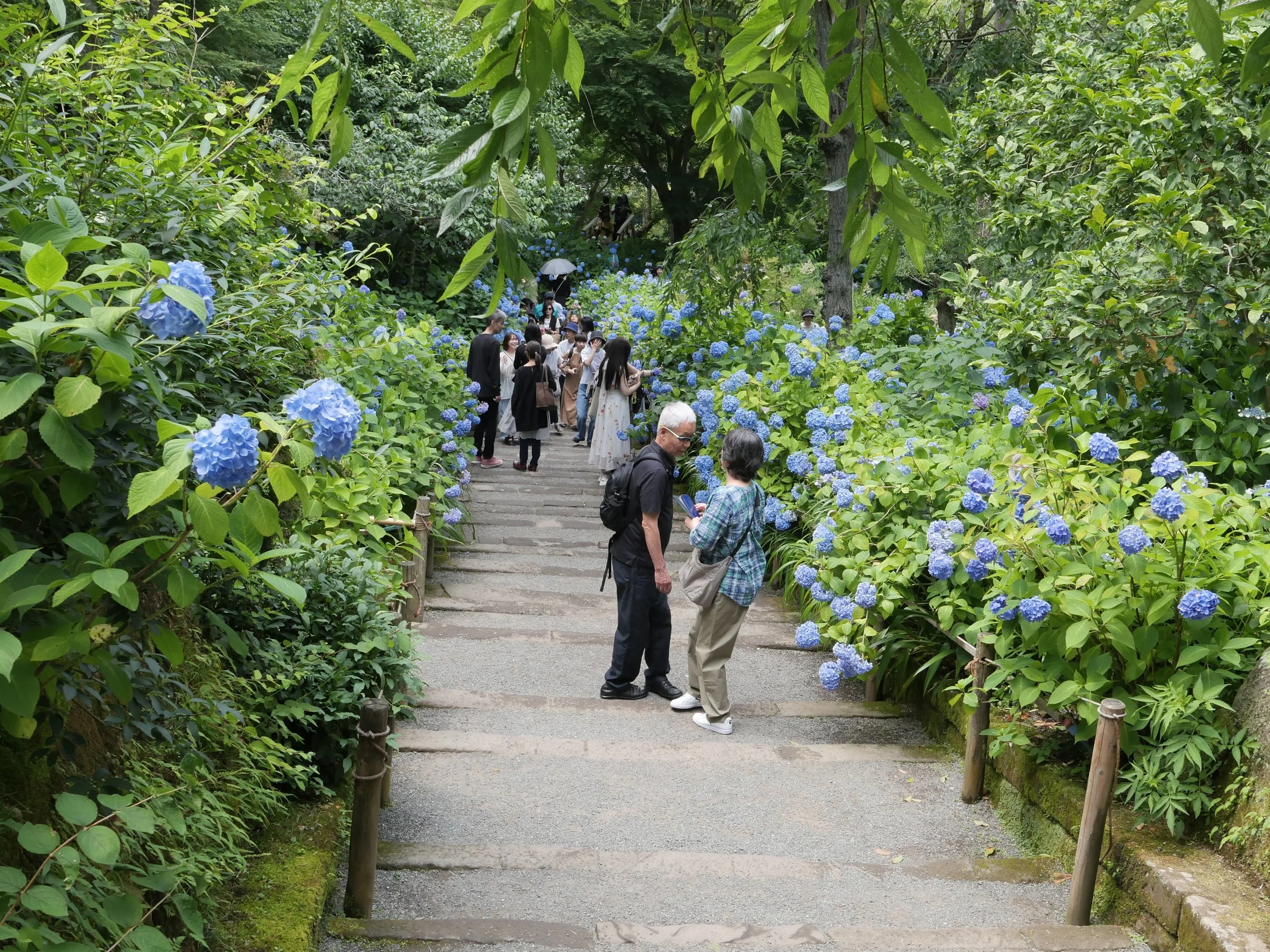
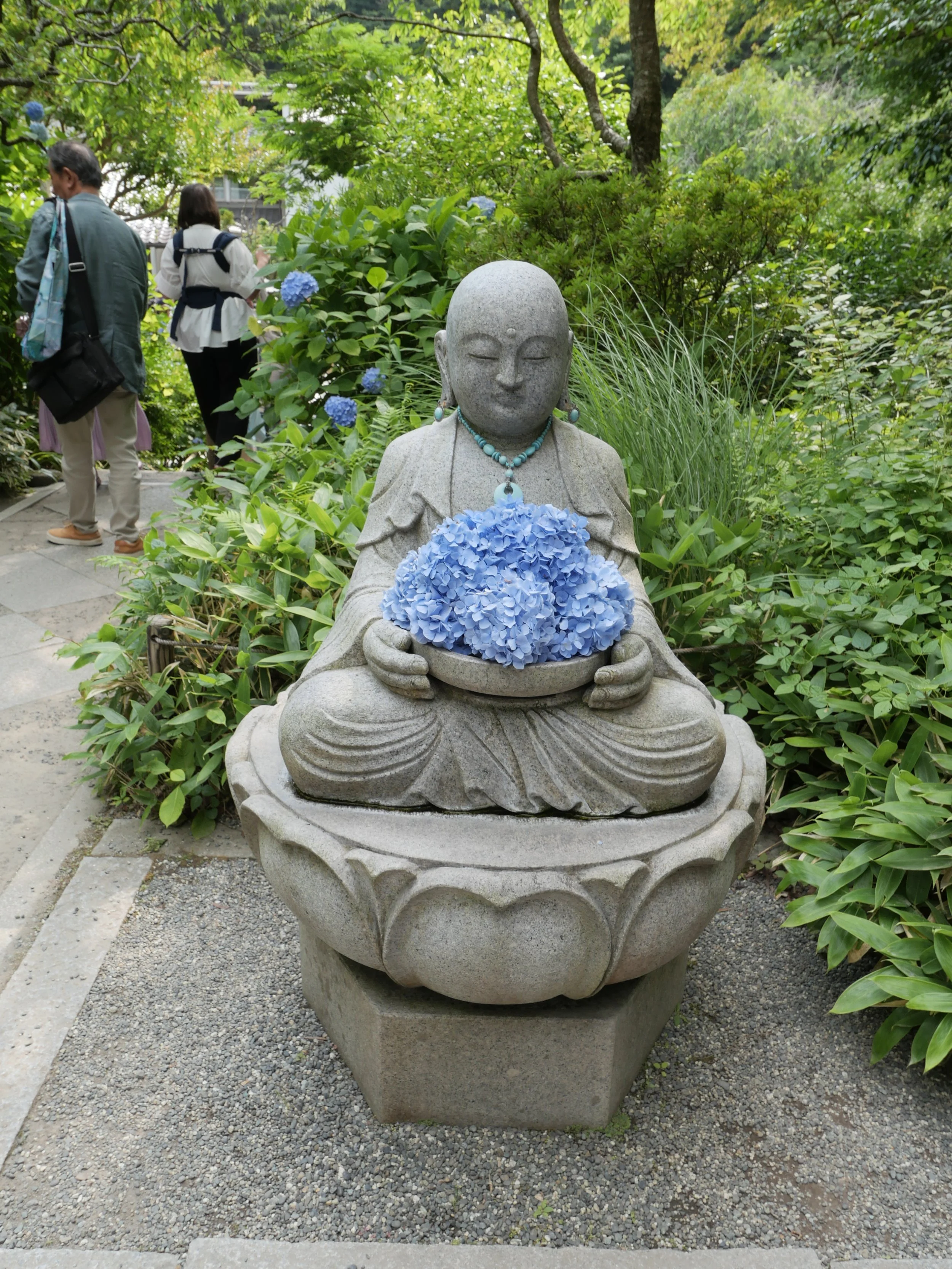
Meigetsuin- (Hydrangea Temple) June Blooms
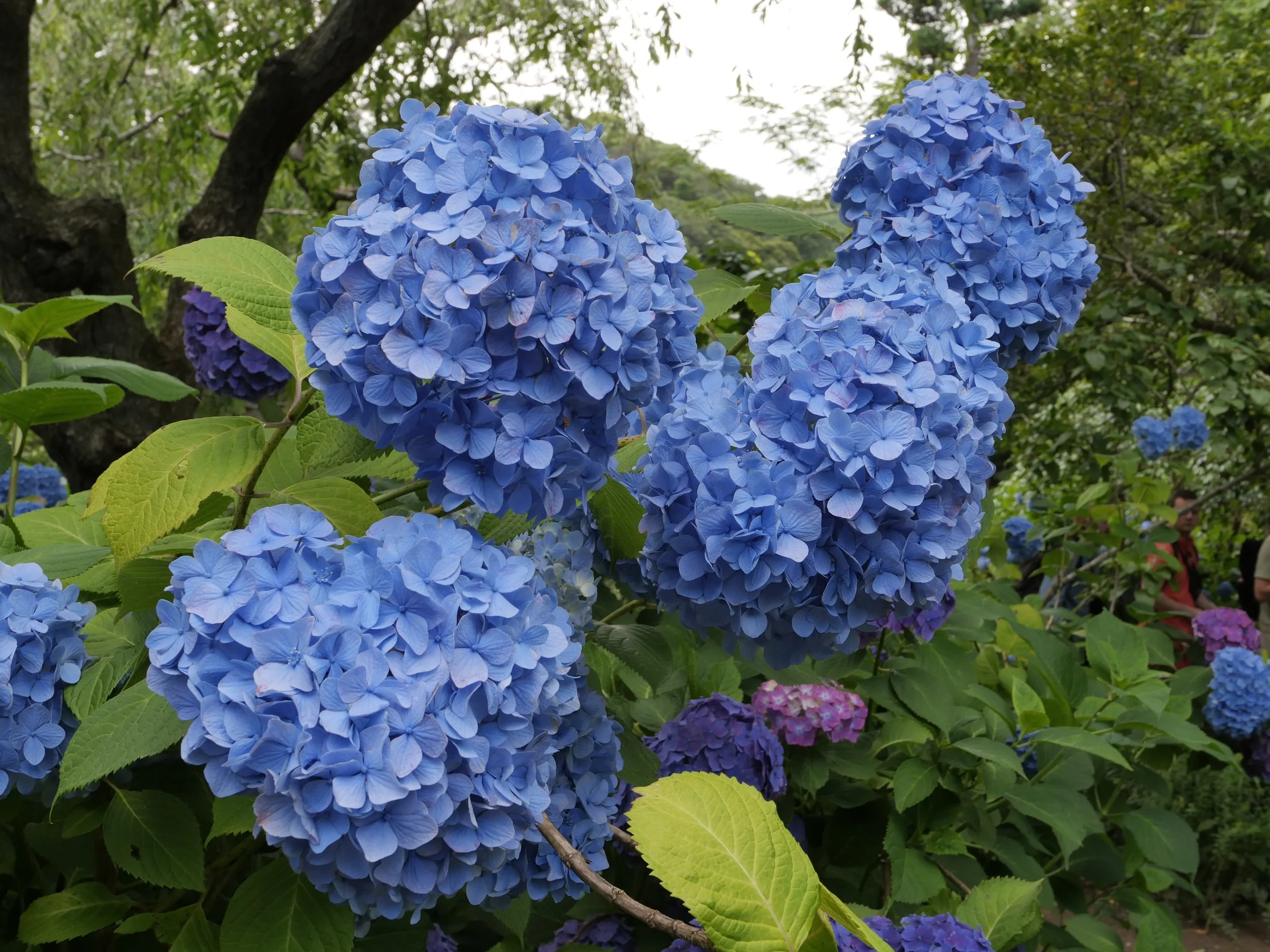
Kamakura's rich "Blue Hydrangea"
Ryuho-ji Temple (Later found out something very interesting). A very "dark past".